Ipamorelin, NAD+, PT-141
🔬 Ipamorelin Overview
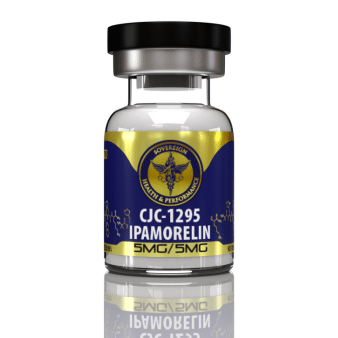
Ipamorelin is a synthetic peptide—a short chain of five amino acids (called a pentapeptide)—designed to mimic the body’s natural “growth signal.” It belongs to a class of compounds known as Growth Hormone Secretagogues (GHS), which means it helps your body secrete more of its own growth hormone (GH) rather than supplying GH directly.
Ipamorelin works by binding to a specific receptor in the brain and pituitary gland called the Growth Hormone Secretagogue Receptor (GHS-R)—also known as the ghrelin receptor. Ghrelin is often called the “hunger hormone,” but it also plays a major role in growth, repair, and energy balance. When Ipamorelin activates this receptor, it triggers a natural, pulsatile (wave-like) release of growth hormone, similar to how the body releases GH during deep sleep or after exercise.
🔬 NAD⁺ Overview
NAD⁺ (Nicotinamide Adenine Dinucleotide) is a vital coenzyme present in every cell of the body. It exists in two forms — the oxidized NAD⁺ and the reduced NADH — and serves as one of the body’s primary carriers of hydrogen and electrons.
At its core, NAD⁺ is essential for cellular energy production, redox balance, and communication between the nucleus and mitochondria. Without NAD⁺, cells cannot efficiently convert nutrients into ATP, repair DNA, or regulate gene expression.
In simpler terms: NAD⁺ acts like a rechargeable battery inside every cell, transferring energy wherever it’s needed to sustain fundamental biological processes.
As NAD⁺ levels naturally decline with age, researchers are increasingly focused on its role in metabolic health, aging, and cellular resilience.
🔬 PT-141 Overview
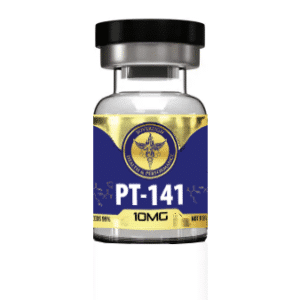
PT-141 (Bremelanotide) is a synthetic peptide designed to interact with specific signaling pathways in the brain that regulate desire, motivation, and arousal.
PT-141 is not a hormone and does not act directly on blood vessels or peripheral tissues. Instead, research shows it works through central nervous system signaling, particularly within melanocortin pathways that determine whether arousal signals are initiated at all.
In preclinical and translational research, PT-141 has been shown to activate melanocortin receptors in the hypothalamus and limbic system—regions responsible for integrating motivation, autonomic tone, and behavioral readiness.
Rather than forcing a physical response, PT-141 appears to modulate neural thresholds, allowing arousal-related signals to activate more readily in response to appropriate stimuli.