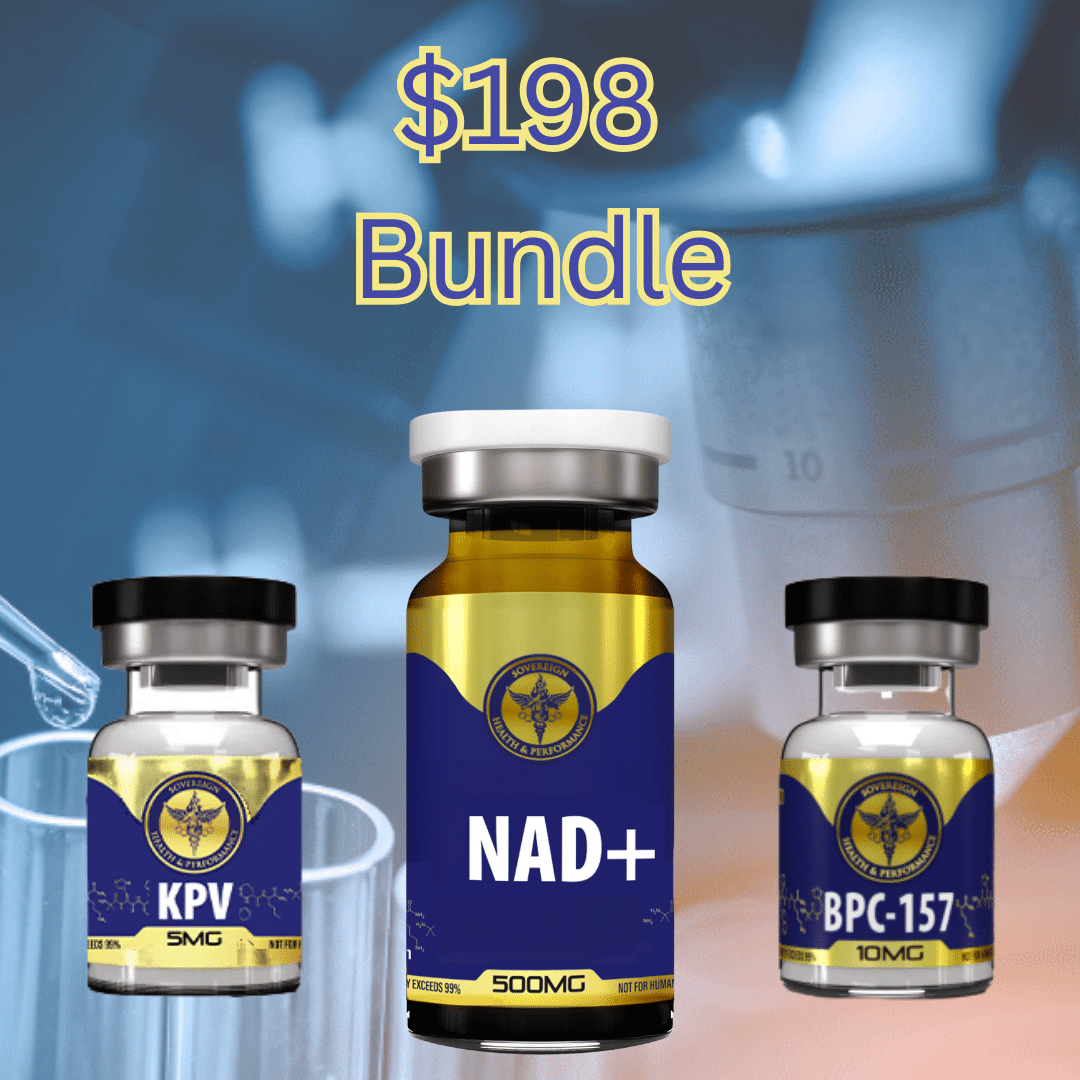
KPV, NAD+, BPC-157
🔬 KPV Overview
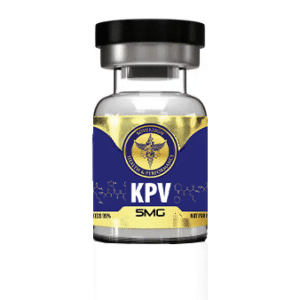
KPV is a naturally occurring tripeptide composed of three amino acids: Lysine–Proline–Valine. It is a C-terminal fragment of the larger alpha-melanocyte-stimulating hormone (α-MSH), a regulatory peptide involved in immune modulation and tissue protection.
Research indicates that KPV retains the anti-inflammatory and antimicrobial properties of α-MSH without activating melanogenesis (skin pigmentation).3,4 This selectivity makes KPV a focused research candidate for managing localized and systemic inflammation, particularly in tissues such as the intestinal lining and skin, where immune overactivation often drives damage.
What makes KPV especially unusual among anti-inflammatory peptides is that it appears to suppress inflammatory signaling without broadly suppressing immune surveillance, allowing protective immune functions to remain intact.
🔬 NAD⁺ Overview
NAD⁺ (Nicotinamide Adenine Dinucleotide) is a vital coenzyme present in every cell of the body. It exists in two forms — the oxidized NAD⁺ and the reduced NADH — and serves as one of the body’s primary carriers of hydrogen and electrons.
At its core, NAD⁺ is essential for cellular energy production, redox balance, and communication between the nucleus and mitochondria. Without NAD⁺, cells cannot efficiently convert nutrients into ATP, repair DNA, or regulate gene expression.
In simpler terms: NAD⁺ acts like a rechargeable battery inside every cell, transferring energy wherever it’s needed to sustain fundamental biological processes.
As NAD⁺ levels naturally decline with age, researchers are increasingly focused on its role in metabolic health, aging, and cellular resilience.
🔬 BPC-157 Overview
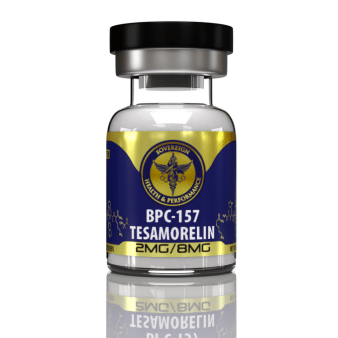
BPC-157 is a small protein fragment (peptide) made up of 15 amino acids. It is derived from a natural protective compound found in human stomach secretions.
Studies in animals show that it can significantly accelerate the healing of muscles, tendons, ligaments, and even internal organs.
Beyond wound healing, BPC-157 helps protect the gastrointestinal tract, prevents stomach ulcers, and supports systemic repair across multiple tissue types. Research also indicates pain-relieving and angiogenic (blood-vessel-forming) properties.