
Peptides 101: Peptide Research and Its Future Potential
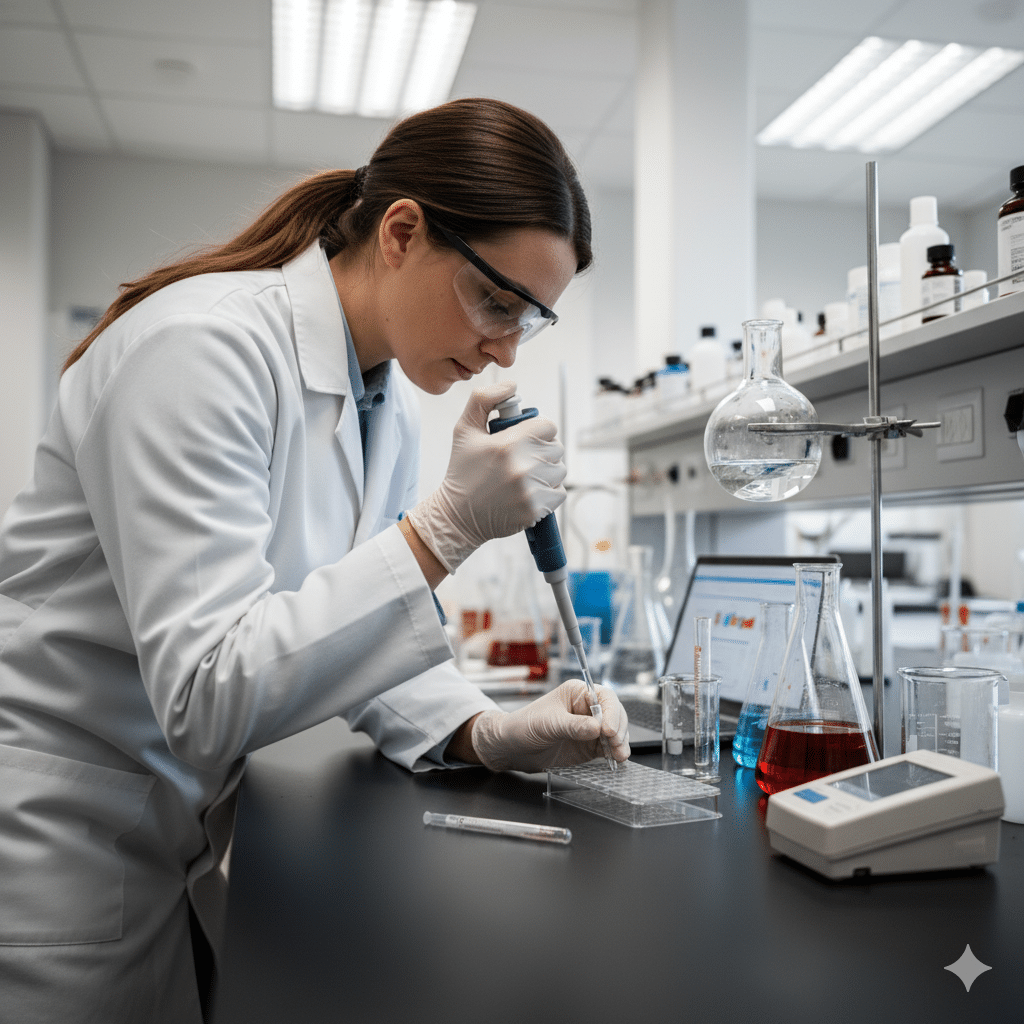
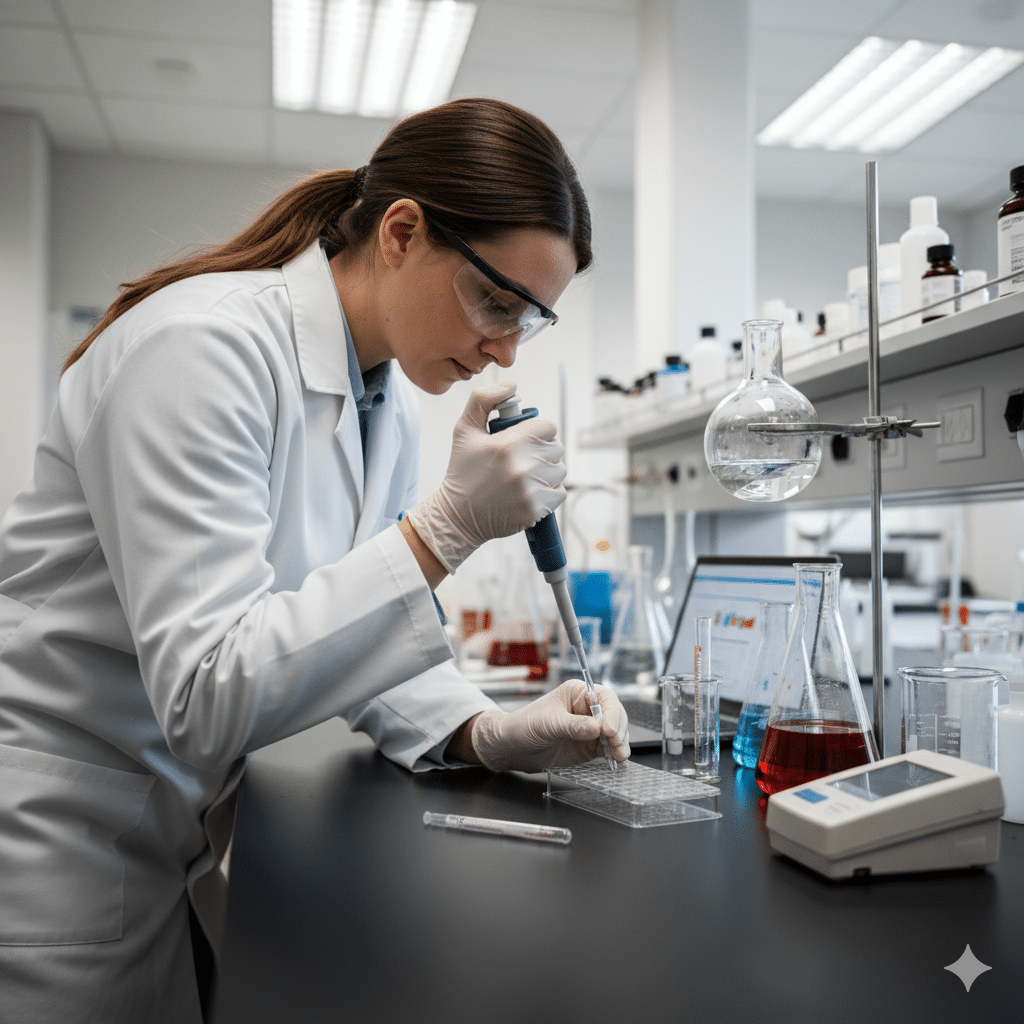
Peptides are among the most exciting frontiers in modern biological and medical research. These small chains of amino acids act as the body’s messengers, regulators, and repair signals, influencing everything from metabolism to tissue healing. Although most peptide discoveries are still confined to preclinical work (cell models, animal models, molecular biology), they form the scientific foundation for many of today’s emerging medical innovations.
This guide explores the major areas of peptide research and how ongoing discoveries may translate to human benefit in the future.
🧬 What Are Peptides?
Peptides are short chains of amino acids—shorter than proteins—that act as signaling molecules in the body. They help cells communicate, heal, grow, and regulate critical processes.
Peptides are involved in:
- Hormone signaling
- Immune system activation
- Tissue repair
- Metabolism and energy use
- Nervous system communication
Because peptides are so fundamental to biology, researchers study them to understand disease mechanisms and to design better targeted therapies.
🔬 Major Areas of Peptide Research
Below are the primary scientific fields where peptide research is accelerating, along with what future human benefits might look like.

Tissue Repair & Regenerative Medicine
Research Focus Areas
- Accelerating wound healing
- Promoting tendon, ligament, and muscle repair
- Encouraging angiogenesis (new blood vessel formation)
- Modulating inflammation to speed recovery
Current Examples Under Study
- BPC-157 — studied for gastrointestinal repair, angiogenesis, tendon healing
- Thymosin Beta-4 (TB-4) — studied for cell migration, cardioprotection, wound closure
- GHK-Cu — studied for skin repair, collagen remodeling, anti-inflammatory activity
Future Potential
If research progresses, peptides may help scientists better understand:
- Faster recovery after injuries
- Improved post-surgical healing
- Treatments for chronic tendon and ligament damage
- Methods to reduce scar formation
Metabolic & Endocrine Regulation
Research Focus Areas
- Glucose control
- Appetite regulation
- Insulin sensitivity
- Fat oxidation and mitochondrial function
Current Examples Under Study
- GLP-1 family peptides (e.g., semaglutide) — blood sugar regulation, appetite signaling
- MOTS-c — studied for metabolic homeostasis, mitochondrial signaling, exercise-like effects
Future Potential
Ongoing research aims to uncover:
- New approaches to metabolic diseases
- Tools to manage insulin resistance
- Ways to support mitochondrial health
- Novel strategies for age-related metabolic decline
Immune System Modulation
Research Focus Areas
- Enhancing innate immunity
- Reducing chronic inflammation
- Supporting autoimmune balance
- Antimicrobial peptide development (AMPs)
Current Examples Under Study
- Thymosin Alpha-1 (Tα1) — immune modulation and antiviral research
- Various antimicrobial peptides — studied for bacterial and fungal defense
Future Potential
If science continues to advance, peptide research may support:
- More selective immune therapies
- Improved wound infection management
- Personalized treatments for inflammatory or autoimmune conditions
Neurological & Cognitive Research
Research Focus Areas
- Neuroprotection
- Synaptic repair
- Mood and stress signaling
- Cognitive decline with aging
Current Examples Under Study
- Selank and Semax — studied for neurotrophic and anxiolytic pathways
- GHK-Cu — studied for potential neuroprotective mechanisms
Future Potential
Research may help develop:
- Tools to slow neurodegeneration
- More precise mood and stress-modulating therapies
- New insights into memory and cognitive repair
Skin, Collagen, and Anti-Aging Biology
Research Focus Areas
- Collagen synthesis
- Stem cell activation
- DNA repair
- Oxidative stress reduction
Current Examples Under Study
- GHK-Cu — studied for skin remodeling, collagen organization, antioxidant activity
- Matrixyl family peptides — cosmetic peptide research
Future Potential
This research may guide:
- Improved methods of skin regeneration
- Better understanding of scar remodeling
- Age-related collagen loss interventions
Performance, Recovery & Exercise Biology
Research Focus Areas
- Muscle repair signaling
- GH/IGF-1 axis modulation
- Mitochondrial biogenesis
- Exercise-mimicking pathways
Current Examples Under Study
- Ipamorelin — GH secretagogue research
- CJC-1295 — extended GH signaling research
- MOTS-c — exercise-mimic pathways (AMPK activation)
Future Potential
Peptide research may contribute to:
- Better injury-prevention insights
- Faster post-training recovery models
- Understanding age-related performance decline
Mitochondrial & Cellular Energy Research
Research Focus Areas
- Cellular stress responses
- ATP production
- Metabolic resilience
- Longevity pathways
Current Examples Under Study
- Humanin — mitochondrial protective peptide
- MOTS-c — metabolic regulation and cellular stress signalin
Future Potential
Mitochondrial peptide research might support:
- Improved resilience to cellular stress
- Insights into aging and longevity
- Better understanding of metabolism-driven diseases
Targeted Drug Delivery & Therapeutic Design
Research Focus Areas
- Peptides as delivery vehicles
- Peptides as receptor-targeting ligands
- Peptide-drug conjugates (PDCs)
- Tumor-specific peptide targeting
Current Examples Under Study
- RGD peptides — tumor-targeting signaling
- Cell-penetrating peptides (CPPs) — drug delivery mechanisms
Future Potential
These studies may lead to:
- More targeted chemotherapy
- Reduced side effects of medications
- More precise drug delivery methods
🧪Why Peptides Are Important for the Future of Medicine
Research suggests peptides may eventually offer advantages such as:
- High specificity
- Low toxicity
- Natural compatibility with human physiology
- Ability to target specific cell receptors
- Faster clearance than traditional drug
While most peptide research is still preclinical, ongoing discoveries continue to guide future therapeutic development.