
Storing Peptides Like a Pro
TL;DR
- Store peptides cold, dry, dark, and undisturbed.
- For long-term storage, use −80 °C (and buffer against frost-free cycles).
- Aliquot into single-use vials to avoid freeze–thaw cycles.
- Let vials warm to room temperature before opening to prevent moisture contamination.
- Store peptides dry whenever possible; solutions degrade quickly.
Introduction: Why Storage Matters
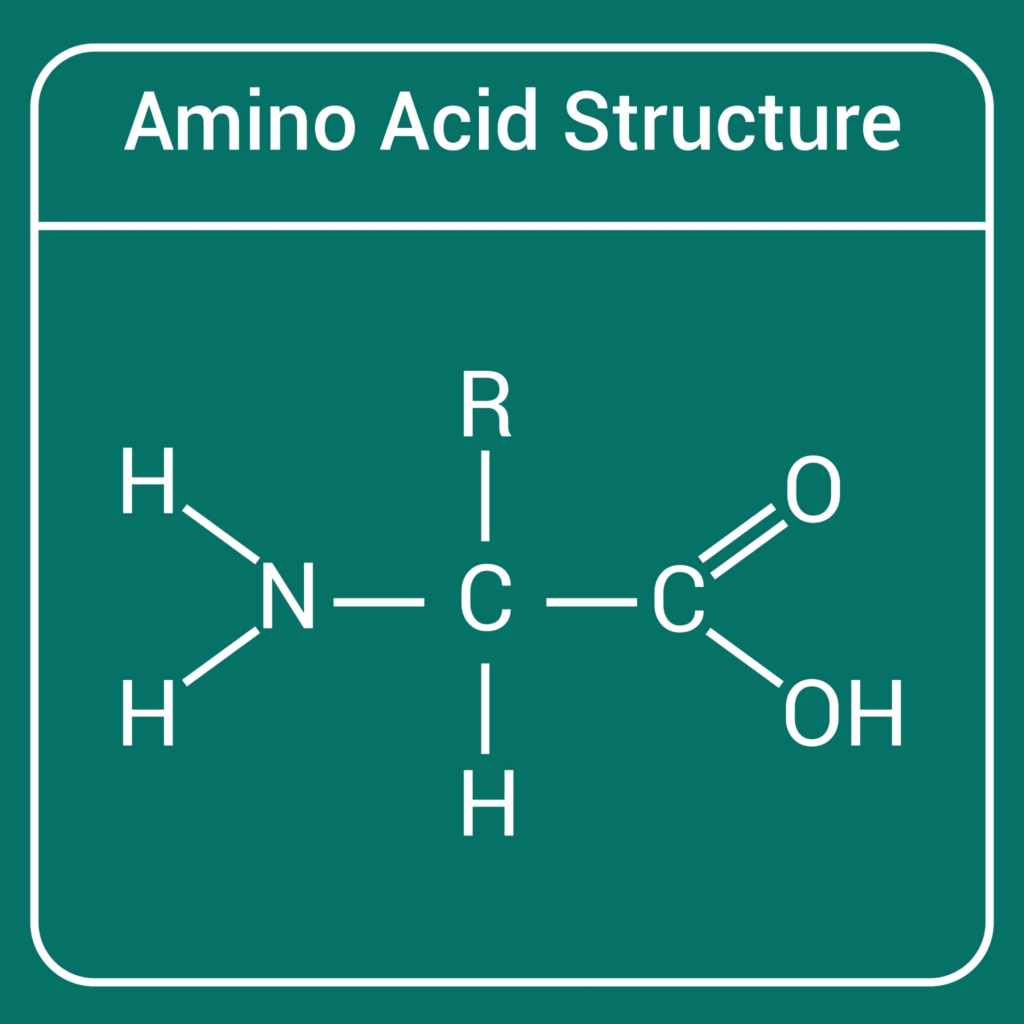
Peptides—short chains of amino acids—are powerful research tools used to study disease, develop therapeutics, and run experiments. But they’re fragile. They degrade when exposed to heat, moisture, oxygen, or repetitive freeze–thaw cycles.
The goal of proper storage is simple:
keep peptides cold, dry, dark, and undisturbed so degradation reactions slow to a crawl.
This guide explains how to do that with lab-friendly, science-based best practices.
Part 1: Temperature Control — The Deep Freeze 🥶
Temperature is your strongest tool for stopping chemical reactions.
| Storage Duration | Best Practice | Scientific Reason |
| Short-Term (Days–Weeks) | Store at 4 °C (39 °F) | Cooling slows chemical breakdown. |
| Long-Term (Months–Years) | Store at −80 °C (−112 °F) | Freezing nearly halts molecular motion and degradation. |
🛑 Avoid Freeze–Thaw Cycles
Repeated temperature cycling stresses the peptide backbone and accelerates breakdown.
Never store peptides in a frost-free freezer, which warms periodically during defrost cycles.
🔬 Pro Tip: Using Frost-Free Freezers Safely
If you must store peptides long-term in a frost-free freezer:
Place sealed vials inside a well-insulated container (e.g., metal travel mug, Styrofoam box) with a small ice pack or freezer block.
This buffers temperature swings and protects your peptides from unintended freeze–thaw cycles.
Part 2: Protecting Peptides From Moisture and Oxidation
Moisture and oxygen are the two biggest threats to peptide stability.
💧 Moisture: The Condensation Trap
When you pull a vial from −80 °C and open it immediately, warm humid air condenses onto the ice-cold peptide powder.
This triggers:
- Hydrolysis (peptide bond cleavage)
- Uncontrolled partial solubilization
- Accelerated degradation
Best Practice
Let vials warm completely to room temperature before opening.
🌬️ Oxidation: Molecular Rust
Oxygen can oxidize certain amino acids, damaging peptide structure.
Particularly vulnerable residues:
- Cysteine (C)
- Methionine (M)
- Tryptophan (W)
Best Practice
Minimize exposure to air.
If possible, reseal the vial under dry nitrogen or argon.
Part 3: Aliquoting — The Single Best Trick for Long-Term Stability

Aliquoting means dividing your peptide stock into multiple small vials.
Why It Works
Only the vial you open is exposed to:
- Air
- Moisture
- Handling
- Temperature fluctuation
The rest remain pristine at −80 °C.
Strategy
Aliquot exactly what you need for one experiment or a short series of experiments.
Part 4: Storing Peptides in Solution (Last Resort)
Dry (lyophilized) peptides can last years.
Peptides in solution may last days to weeks.
Why?
Water enables:
- Hydrolysis
- Bacterial contamination
- Deamidation
- Oxidation
- Aggregation
Solution Storage Guidelines
- Use sterile buffers at pH 5–6.
- Always aliquot solutions.
- Store short-term at 4 °C.
- For longer-term: freeze aliquots at −80 °C and thaw only what you need.
- Avoid storing peptides in solution if they contain sensitive residues.
Part 5: Amino Acids With Short Shelf Lives in Solution
Some amino acids degrade rapidly when dissolved.
🧪 Most Vulnerable Residues
| Amino Acid | Abbreviation | Common Issue in Solution |
| Cysteine | Cys (C) | Oxidation, disulfide mispairing |
| Methionine | Met (M) | Oxidation |
| Tryptophan | Trp (W) | Oxidation, light sensitivity |
| Aspartic acid | Asp (D) | Isomerization, deamidation |
| Glutamine | Gln (Q) | Deamidation |
| N-terminal Glutamic acid | Glu (E) | Cyclization to pyroglutamate |
If your peptide contains any of these, store dry, aliquoted, and frozen.
Part 6: Choosing the Right Container
Glass Vials
- Best chemical resistance
- Ideal for long-term storage
- You can see the contents
Plastic Vials
Polystyrene:
- Clear but not chemically resistant
- Not ideal for peptide storage
Polypropylene:
- Translucent but chemically resistant
- Good for day-to-day aliquots
Often peptides ship in plastic for safety—but you can transfer to glass for long-term storage.
⭐ Summary of Best Practices
- Store long-term at −80 °C (buffer your vials if using frost-free freezers).
- Let vials warm to room temp before opening to avoid moisture condensation.
- Aliquot everything into single-use vials.
- Keep samples dry, dark, oxygen-limited, and undisturbed.
- Avoid peptide solutions unless absolutely necessary.
If You Only Remember Three Things
- Freeze deep.
- Keep it dry.
- Aliquot everything.