


Prostamax, GHK-CU
🔬Prostamax Overview
Prostamax is a short regulatory peptide modeled after naturally occurring signaling molecules found in prostate tissue. Peptides are small chains of amino acids that act as biological signaling messengers, helping cells respond to stress, inflammation, and age-related changes.1,2
In preclinical research (animal and laboratory studies), Prostamax has been shown to influence inflammatory signaling, oxidative stress, fibrotic remodeling, and epithelial repair within prostate tissue.3-6 These effects appear to support healthier tissue structure and function, particularly in models involving chronic irritation or inflammation.
Important regulatory clarification: Prostamax is a research-use-only (RUO) peptide. It is not approved by the FDA for the diagnosis, treatment, prevention, or cure of any disease, including benign prostatic hyperplasia (BPH). Findings described below are derived from non-human and experimental research models only.
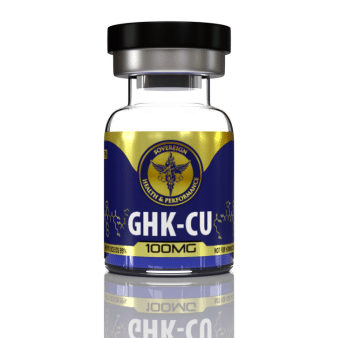
🔬 GHK-CU Overview
GHK-Cu (glycyl-L-histidyl-L-lysine–copper) is a naturally occurring tripeptide—a molecule made of three amino acids—that has a powerful ability to bind copper ions (specifically copper(II)). It was first discovered in human plasma in the 1970s and is found throughout the body, including in saliva and urine. However, levels of GHK-Cu decline significantly with age.
GHK-Cu is often described as a “remodeling peptide” because of how it manages tissue repair and renewal. Its main biological role is to act as a copper chaperone—it transports and delivers copper to cells that need it. Copper is essential for many enzymes responsible for:
- Collagen and elastin production (for firm, resilient skin and connective tissue)
- Antioxidant protection, including enzymes like superoxide dismutase (SOD)
- Cellular energy metabolism and repair processes
GHK-Cu therefore helps regulate both the breakdown of damaged tissue and the formation of healthy new tissue, giving it importance in research on wound healing, anti-aging, hair growth, and even gene expression regulation.